

“Close to 15 cheetahs have already been identified and are being quarantined at present. Their habitat is similar to that of Madhya Pradesh’s Kuno National Park so they are likely to adapt well once they reach,” according a highly reliable source.
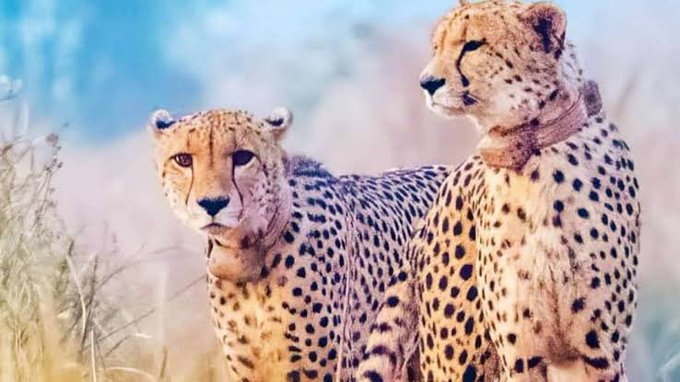
India is likely to get close to 15 Cheetahs from Botswana by December. At present India has 27 cheetahs across Kuno and Gandhi Sagar wildlife sanctuaries- out of which 16 were born in India.
India plans to continue importing between 8-14 cheetahs annually for at least five years to build a self-sustaining population across multiple potential sites, which also include Nauradehi Wildlife Sanctuary and the Banni grasslands.
The cheetah once roamed large parts of India, but by 1952, populations had disappeared within Indian territory. In response, the Government of India launched Project Cheetah in 2022 — the world’s first intercontinental large carnivore translocation initiative — bringing African cheetahs into Indian reserves. Earlier batches came from Namibia (September 2022) and South Africa (February 2023).
The upcoming Botswana batch is being seen as a further step to diversify the genetics of the reintroduced cheetahs, expand the range beyond one release site, and strengthen the long-term viability of the project.
Botswana has also assured that a “good number” of cheetahs beyond this initial batch, with discussions at an advanced stage. Officials expect more to arrive “very soon,” potentially diversifying the genetic pool and expanding release sites.
Cheetahs are apex predators of grassland ecosystems; their successful reintroduction can signal the revival of degraded grasslands, balance prey-predator dynamics and enhance eco-tourism prospects.
Indian President Draupadi Murmu is going to embark on a two nation visit to Angola and Botswana from November 8th. The visit is also aimed at exploring further collaborations between India and Botswana in wildlife conservation and sustainable development.