
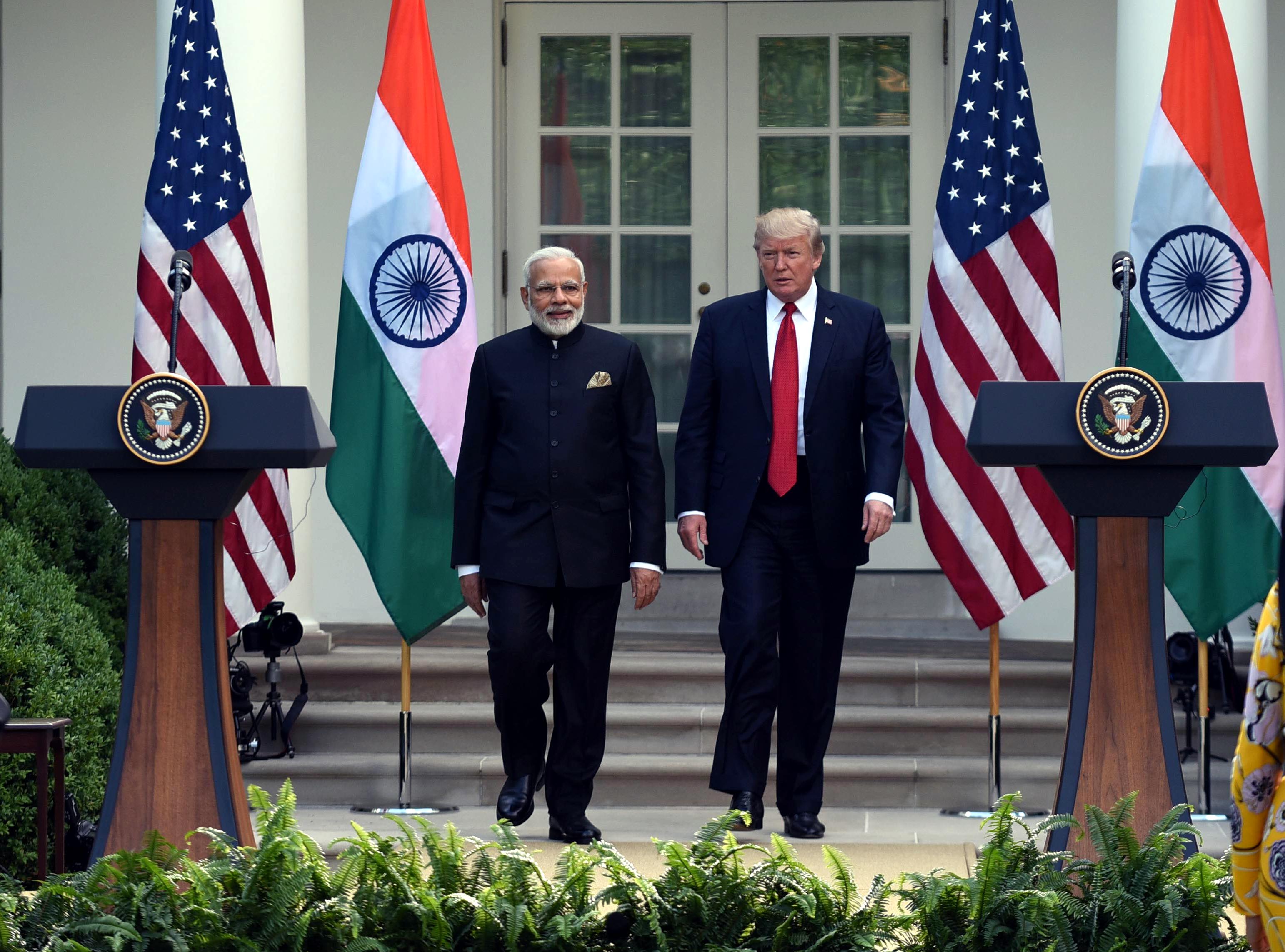
The Modi government, while basking in the glow of Trump’s favourable gestures, is preparing for the less glamorous side of this partnership. A US Military plane with over 200 illegal Indian Immigrants is expected to land in India late Tuesday night.
The week has started on a strange footing for India-US relationship. On Monday evening, The Hindustan Times broke the story of PM Modi’s upcoming 2 day US visit from 12 February. As the news was settling in Tuesday morning the social media was abuzz with a C-17 US military plane en route to India with over 200 illegal Indian Immigrants. For all those folks cheering on Trump’s victory in the US election and awed by ‘Modi-Trump Chemistry’, hang on! It’s been 2 weeks of Trump presidency and he has been more unpredictable and ruthless than probably in his entire first term.
Prime Minister Modi could be among the first few world leaders who is invited to the White house under President Trump’s second term. This week Israeli Prime Minister Benjamin Netanyahu will be the first leader who will be welcomed by Trump in the White House. PM Modi is likely to visit the USA immediately after his Fance visit where he is participating in the World AI Summit, from 10-12 February.

While India US relations have grown irrespective of party lines in both the country Prime Minister Modi’s public engagements during Trump’s first term were grandiose, epitomized by events like “Howdy Modi” in Houston, Texas, in 2019, and “Namaste Trump” in Ahmedabad, India, in 2020. These spectacles not only showcased the personal chemistry between Modi and Trump but also the political camaraderie, with massive crowds celebrating the alliance. Experts called these moments going beyond the diplomatic meet-ups and as a cultural and political statement by the two leaders reinforcing the bond through public adoration.

The second term of president Trump aided by his Department of Government Efficiency under Elon Musk has shaken the entire bureaucratic setup in the US, keeping many senior officers guessing of the next policy, their services or the longevity of the department itself where they have been employed for decades. Economy and Immigration were the two key elements of Trump’s campaign in the run up to the presidential election. Trump’s approach to international relations, particularly trade, has been erratic. The massive tariff the US has announced on Mexico, Canada and China has alarmed the world while keeping the European partners also on the edge. Trump has also dared BRICS, where India is a key player, for any de-dollarisation attempt. His “Make America Great Again” slogan has been synonymous with protectionism, cloaked in nationalism, a stark departure from the US’s historical advocacy for open market policies. This shift in trade policy is now largely seen as part of a broader strategy to contain China’s economic expansion, which has implications for all US trade partners, including India.
India, in this evolving scenario, must navigate a complex relationship with the US. On one hand, the US remains India’s largest trading partner, an attractive destination for Indian students, and a hub for business opportunities. Several US companies have assured partnering with the Indian side in areas of critical and emerging technology and defence. While the Modi-Trump handshakes and hugs have cultivated a significant fan base in India, the reality of managing immigration issues could temper the enthusiasm of this support base. The US has asked India to take back about 18000 Indians who have sneaked into the USA through various dunki routes and have been living there undocumented.
This aspect of US-India relations under Trump could test the warmth of the Modi-Trump rapport, as the optics of receiving flights laden with deportees could starkly contrast with the public’s perception of the leaders’ relationship.
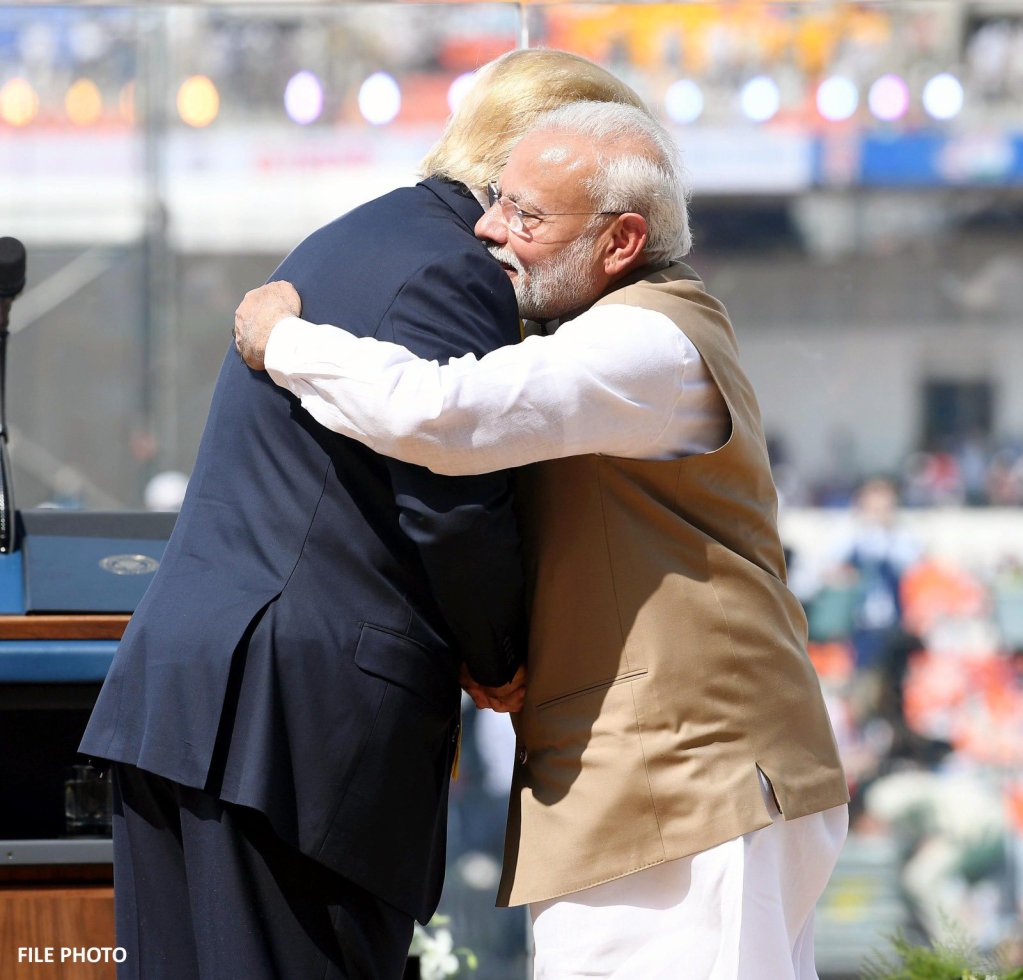
The first Trump presidency was marked by significant developments that redefined the India-US axis, with a revival of the Quadrilateral Security Dialogue (Quad), positioning India as a pivotal counterbalance to China’s rising influence in the Indo-Pacific region. The emphasis on defence and trade deals was clear, with Trump pushing for India to augment its procurement of American military hardware, symbolizing a deepening of security ties.
Modi’s visit in 2025, therefore, comes at a juncture where India must tread carefully. The agenda of this visit will likely focus on deepening trade relations, discussing defence cooperation, all while managing the fallout from stringent immigration policies that are also hawkish on H1B visas. The outcomes of these discussions could very well set the tone for how India positions itself for the next 4 years of US-India ties.