
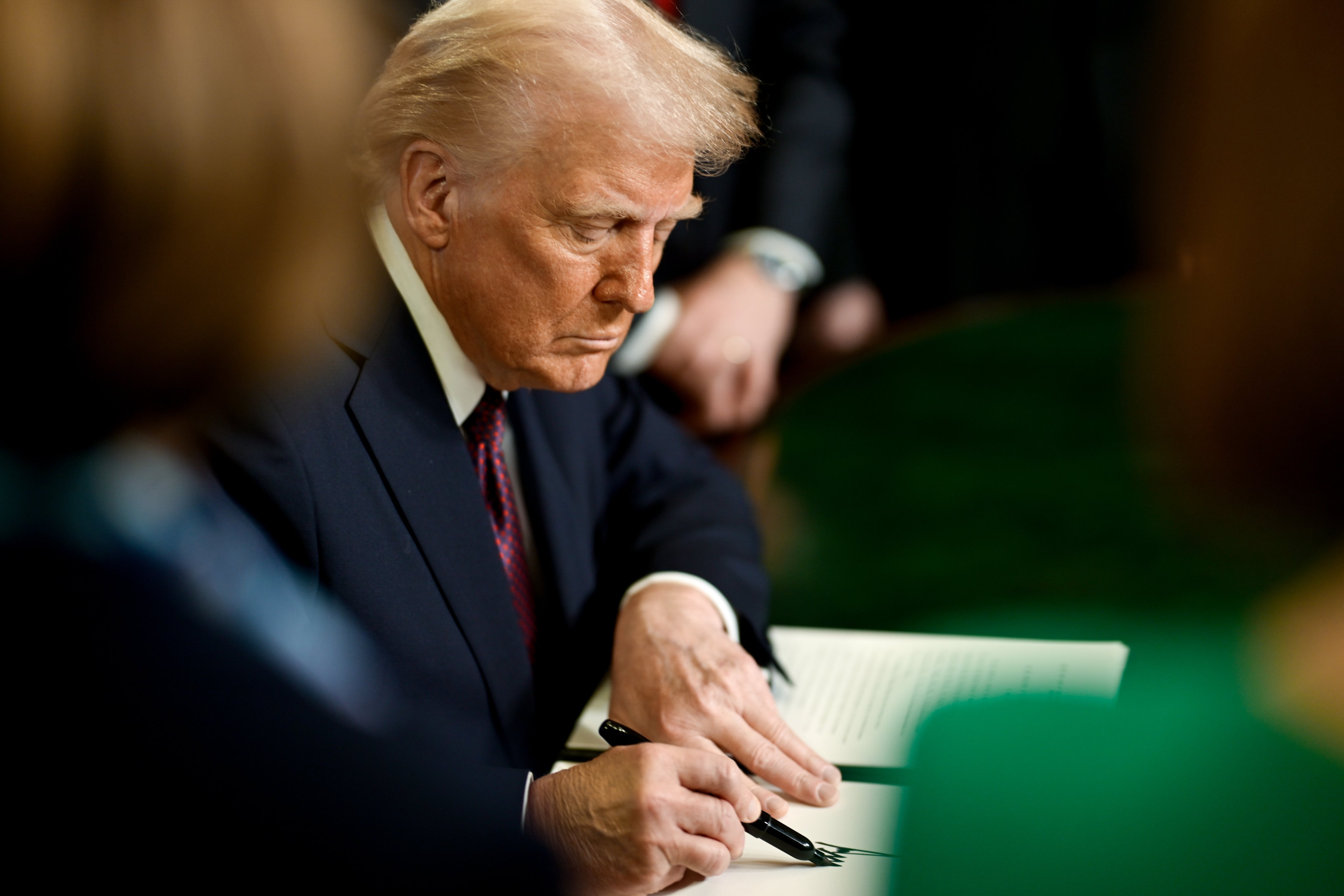
Donald Trump, on his first day back in office in January 2025, had signed an executive order to withdraw the United States from the World Health Organization (WHO). The decision marked his second attempt to pull the U.S. out of the organization, the first being in July 2020 during his initial presidency, which was later reversed by President Joe Biden in January 2021. As the UN was grappling with the response from its largest doner, on February 4th the White House announced yet another decision to review its ties and funding to more UN bodies. President Trump has signed an Executive Order withdrawing the United States from the UN Human Rights Council (UNHRC) and permanently cutting off funding to the UN Relief and Works Agency for the Near East (UNRWA). The sweeping order, which also mandates a review of international organizations deemed “anti-American,” represents yet another step in Trump’s broader campaign to dismantle U.S. involvement in global governance.
While Trump’s allies frame the decision as a bold stand against organizations allegedly harboring anti-Israel and anti-American biases, critics argue that it amounts to an abdication of U.S. leadership at a time when global human rights violations and humanitarian crises are escalating. By exiting these institutions, the U.S. risks relinquishing its ability to influence international norms, ceding ground to authoritarian states eager to fill the vacuum left behind.
A Retreat from Human Rights Advocacy
The UNHRC has long been a target of right-wing criticism, with claims that it unfairly singles out Israel while allowing countries like China, Iran, and Cuba to evade scrutiny. However, rather than working to reform the institution from within, Trump has chosen outright withdrawal—effectively silencing the U.S. on key human rights issues. By removing the U.S. from the council, the administration has forfeited a crucial platform for holding human rights abusers accountable, leaving authoritarian regimes freer to manipulate the body for their own ends.
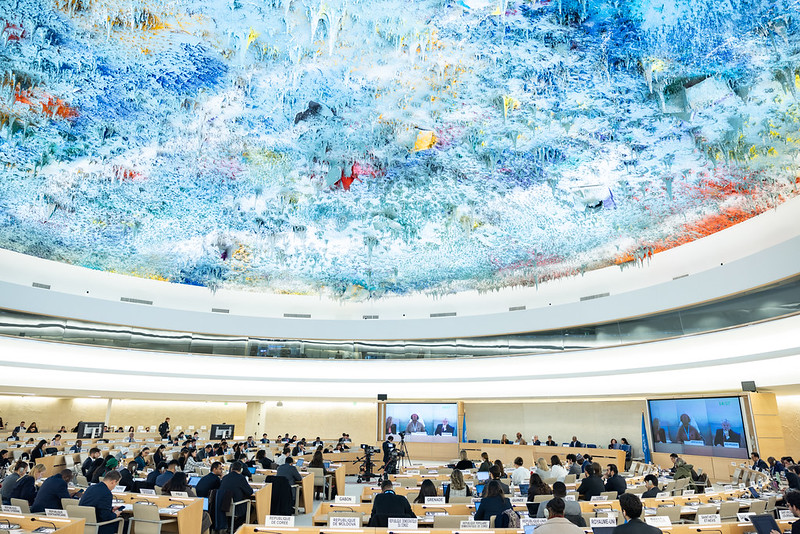
The irony is glaring: Trump’s justification for leaving the UNHRC rests on accusations of bias against Israel, yet his administration’s retreat only strengthens the influence of governments with abysmal human rights records. The absence of the U.S. will not eliminate UNHRC’s flaws—it will merely weaken its credibility and further polarize global human rights discourse.
Punishing Palestinian Refugees

Perhaps the most alarming aspect of Trump’s Executive Order is the permanent defunding of UNRWA. The agency, which provides essential aid, healthcare, and education to millions of Palestinian refugees, has long been vilified by pro-Israel hardliners. Trump officials claim that UNRWA is a corrupt and anti-Israel institution, citing allegations that some of its staff were complicit in Hamas’s October 7th attack on Israel. However, punishing an entire humanitarian agency for the alleged actions of a handful of individuals sets a dangerous precedent.
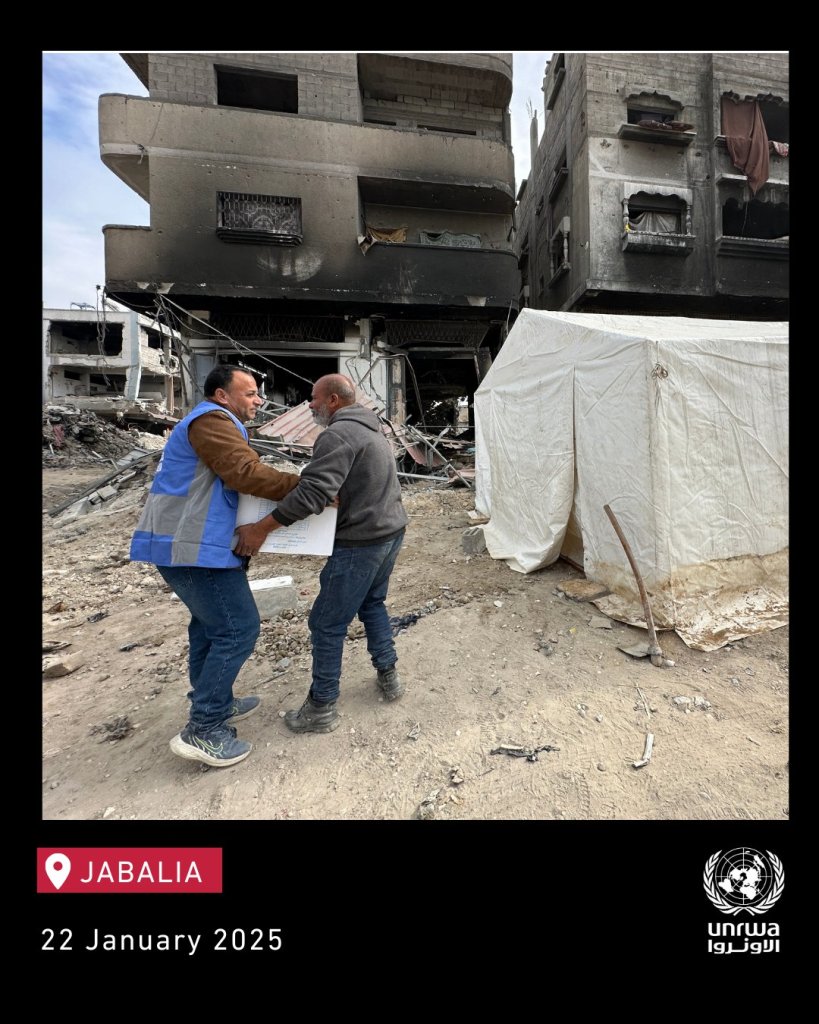
Slashing funding to UNRWA will not curb extremism—it will exacerbate it. Depriving Palestinian refugees of basic necessities only fuels resentment and desperation, conditions ripe for radicalization. Instead of addressing the root causes of the Israeli-Palestinian conflict, Trump’s move effectively condemns millions of innocent civilians to deeper suffering.
Abandoning the Global Stage
This latest withdrawal mirrors Trump’s first administration, during which he cut ties with UNESCO and froze funding for multiple UN bodies. While his supporters celebrate these moves as a defense of sovereignty, they fail to recognize the long-term consequences: the erosion of U.S. influence, the strengthening of authoritarian actors, and the deterioration of global human rights frameworks.
By retreating from the UN, Trump is not making America stronger—he is isolating it. Global leadership requires engagement, not abandonment. His Executive Order may score political points with his base, but it will leave the U.S. weaker, less respected, and increasingly sidelined in world affairs.