
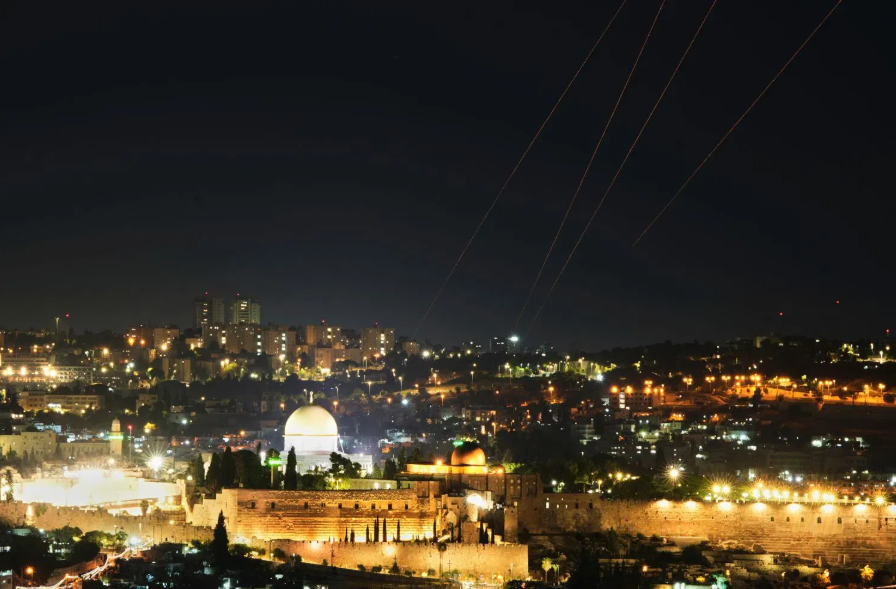
The Strait of Hormuz, a vital artery for global oil trade, is under scrutiny as tensions between Israel and Iran escalate. Iran is reportedly considering the drastic step of closing the Strait of Hormuz as tensions between arch enemy Iran and Israel is increasingly shifting from a limited conflict to a full blown war. The Strait of Hormuz is the world’s most critical oil chokepoint which, if blocked, could cripple global energy supply chain, sending already volatile market to further chaos. However there is flip side for Iran as well as the closing of the Strait will affect severely Iran’s own export of Oil and gas to other parts of the world.
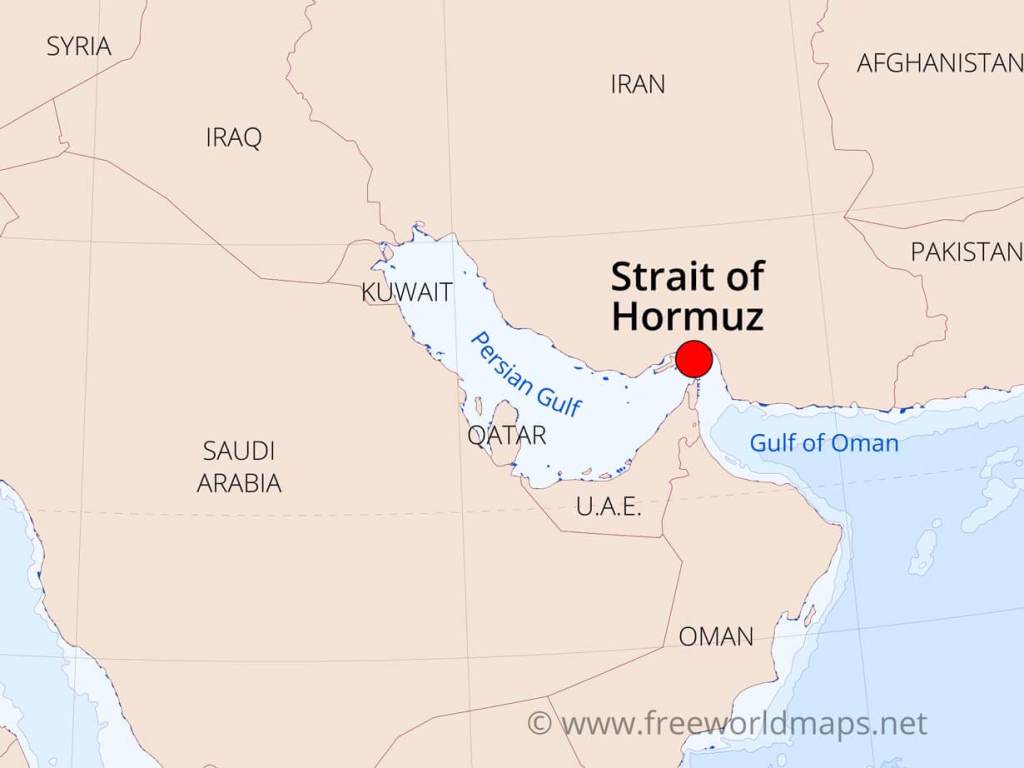
The Strait of Hormuz which derives its name from the Persian city of Hormuz connects Persian gulf with Oman and it was an important trading hub during medieval times. The waterway’s strategic value grew with the discovery of oil in the Persian Gulf in the 20th century. This narrow waterway between Iran, Oman, and the UAE holds immense importance in global energy supply chain with roughly 20-30% of the world’s seaborne oil and a third of liquefied natural gas passing through here.

Iran’s Dominance On Strait of Hormuz
Iran’s dominance in the Strait stems from its control of northern coast and islands, enabling rapid deployment of IRGC fast boats, anti-ship missiles, and mines. Iran’s Islamic Revolutionary Guard Corps (IRGC) Navy and its regular navy maintain a formidable presence in the Strait. Iran’s coastline and several Iranian-controlled islands run along the Strait including Qeshm, Hormuz, and Larak. This geographical edge ensures Iran can act swiftly to influence maritime activity in the water ways. Its coastal cliffs and islands serve as ideal locations for missile batteries, radar systems, and naval bases, giving Iran a commanding view of the Strait’s traffic lanes. Iran’s arsenal includes advanced anti-ship missiles like the Noor and Qader, with ranges covering the entire Strait, and coastal defense systems capable of targeting vessels from shore. It also possesses sea mines, which can be deployed covertly to block shipping lanes. Additionally, the Strait’s shallow waters and narrow channels limit maneuverability for large vessels like oil tankers, making them vulnerable to Iranian intervention.
Strategic Threats and Posturing From Iran
Iran has also used it’s dominance in the Strait as a geopolitical lever in the past. Since the U.S. withdrawal from the Iran nuclear deal in 2018, Iran has repeatedly threatened to close the Strait in response to sanctions or military pressure. Such posturing serves multiple purposes: it deters military action against Iran, rallies domestic support, and unsettles global markets. Even the threat of closure spikes oil prices. The latest Israel-Iran tension has already sent crude past $75 per barrel unnerving global economies fearing the possibilities of long dragged war. Iran has also demonstrated its dominance in the region on many occasion in the past. During the Iran-Iraq War (1980-1988), the Strait was a battleground in the “Tanker War,” where both nations targeted each other’s oil shipments, prompting U.S. naval intervention to protect shipping lanes.
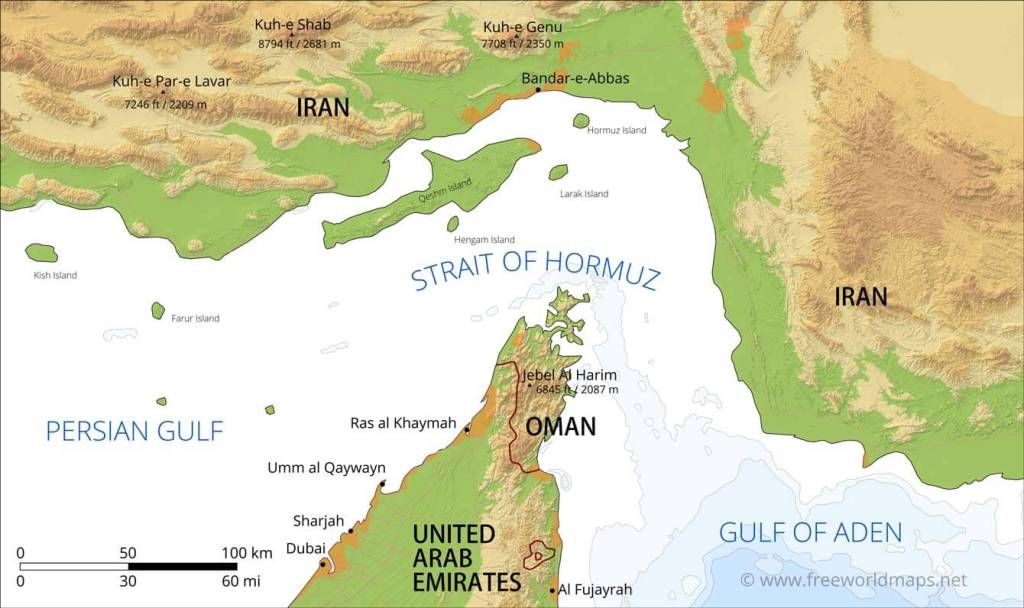
In the 2000s and 2010s, Iran’s threats to close the Strait in response to Western sanctions over its nuclear program heightened global concerns. In recent years In July 2023, Iran’s navy attempted to seize two oil tankers in the Strait, prompting U.S. intervention. There have been several Iranian attempts to board foreign-flagged vessels in the Strait in recent years. These incidents, often involving IRGC fast-attack boats clearly demonstrated Iran’s asymmetric tactics to assert control in the region. In March 2025, Iran escalated its military presence in the Strait by stationing advanced weapons and missiles with a 600-km range on the strategically vital islands of Greater Tunb, Lesser Tunb, and Abu Musa. These islands, disputed with the UAE, are critical for controlling maritime traffic.
Iran’s Dependence On Strait of Hormuz
Iran’s dependence on the Strait shapes its foreign policy and military strategy. A blockade or conflict in the Strait would devastate its economy, cutting off oil revenues. Closing the Strait could also alienate key buyers like China and invite retaliation from the U.S.-led Combined Maritime Force. Iran’s economy is heavily tied to oil and gas, with crude oil exports accounting for approximately 65% of government revenue and 10-15% of GDP, according to estimates from the International Monetary Fund and World Bank (2023-2024 data). The Strait of Hormuz is the primary route for these exports, with 1.5-2 million barrels per day (bpd) of Iranian crude and condensates shipped through the Strait, primarily to China, which accounts for over 90% of Iran’s oil exports.
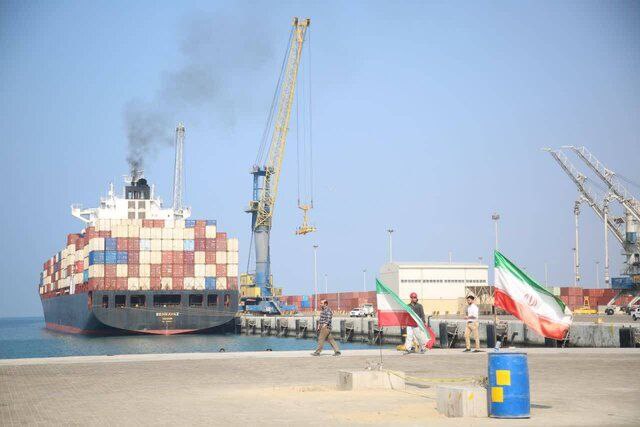
In 2024, Iran’s oil exports reached a six-year high of 1.56 million bpd, with nearly all passing through the Strait. Iran also exports liquefied petroleum gas (LPG) and petrochemicals through the Strait which earns Iran significant foreign exchange. The country’s main oil terminals, such as Kharg Island, are located in the Persian Gulf, making the Strait the only viable maritime route for accessing global markets. Iran’s economy, already strained by sanctions and high inflation cannot sustain prolonged disruptions, limiting its ability to act on such threats. Any disruption in the Strait, whether by external conflict or Iran’s own actions, would severely undermine Iran’s economy, already strained by sanctions and high inflation. Iranian economy cannot sustain prolonged disruptions, limiting its ability to act on such threats. However in recent years Iran has taken steps to lessen its reliance on the Strait. In October 2024, Iran began exporting oil from its new Jask terminal on the Gulf of Oman, bypassing the Strait. Connected to a 1,000-km pipeline from Bushehr, the terminal exported 400,000 bpd in its initial phase. While this reduces Iran’s vulnerability, the terminal’s capacity is limited compared to its total exports, and most oil still flows through the Strait from Kharg Island.
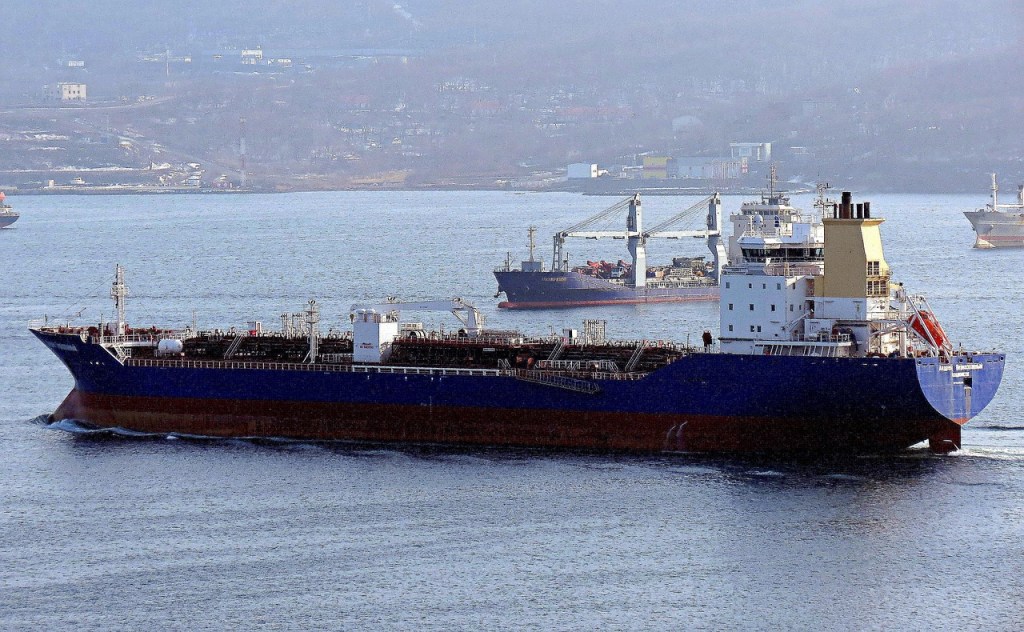
Iran has also developed a “dark pool” fleet of tankers to evade sanctions, with over two third of its oil exports to China conducted via ship-to-ship transfers outside the Strait. Iran has also increased domestic refining capacity and petrochemical exports to offset oil reliance, but these products also depend on Gulf ports. There are overland routes, like the one to Central Asia via the Chabahar Port, developed with India, but it is not dependable due to low capacity and regional instability. Shutting the route may also not work as China, reliant on Iran for 10% of its oil imports could pressure Tehran to keep the Strait open. India, which sources over 60% of its oil through the Strait may also protest any disruption in the trading lane.
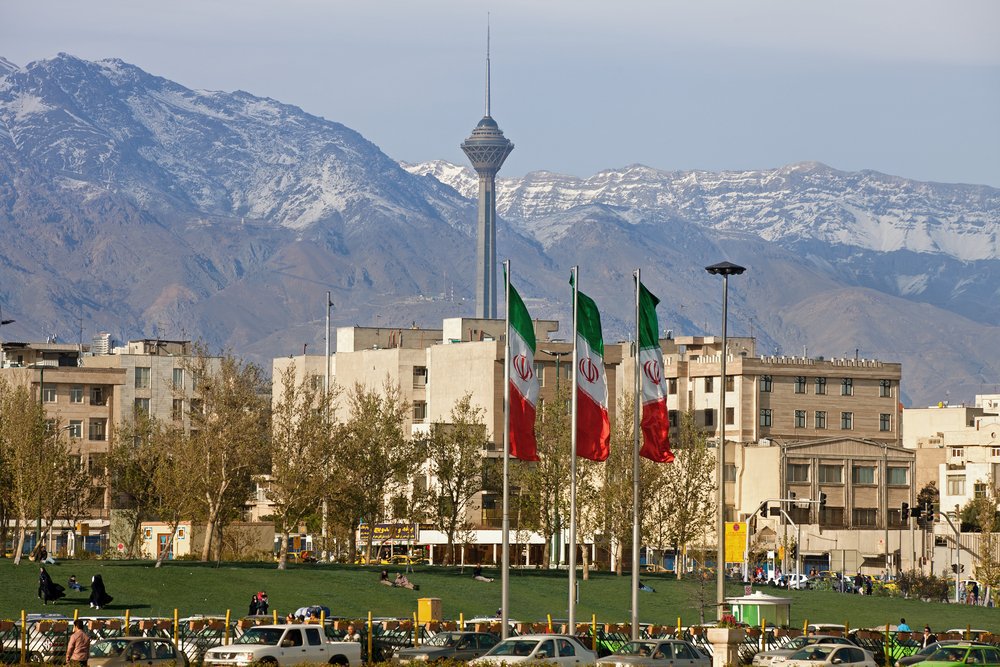
Today, the Israel-Iran conflict, marked by Israeli strikes on Iranian targets and Iran’s retaliatory missile launches, has revived fears of escalation. While no closure has occurred, Iran’s recent statements about potentially blocking the Strait have rattled markets and prompted maritime advisories from nations like the UK, Greece, and India. The Strait remains Iran’s economic lifeline and strategic trump card. This dependence constrains Iran’s ability to close the Strait but amplifies its influence through threats and low-level disruptions. As of June 14, 2025, the Strait remains open and tankers keep passing through the Strait unhindered.
As of June 14, 2025, the Strait of Hormuz remains open, and commercial shipping, including oil tankers, continues to flow.