
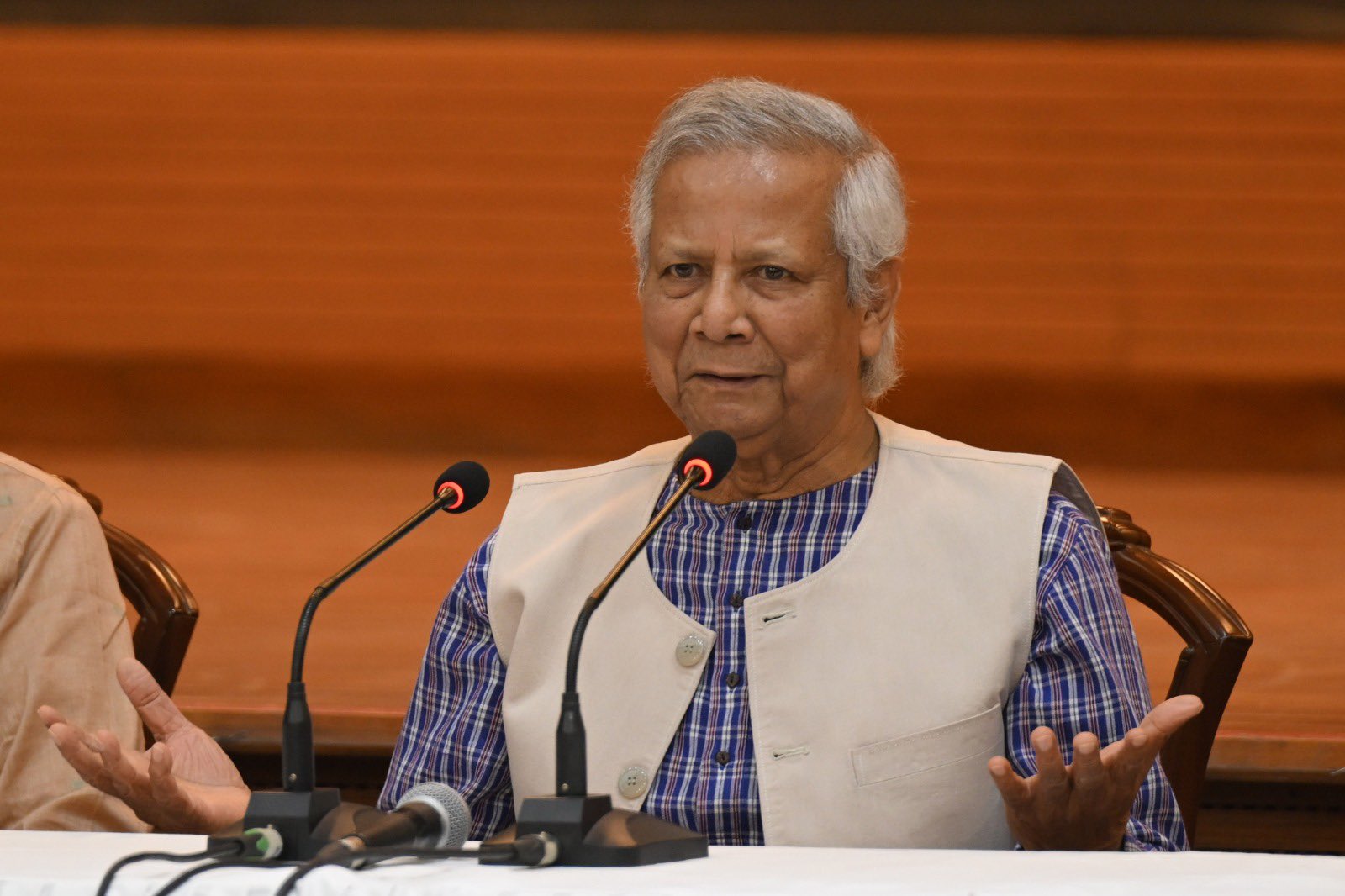
How does a press secretary amass $10 million in Bitcoin in just six months? How does a student activist turned government adviser accumulate nearly $19 million in cryptocurrency?
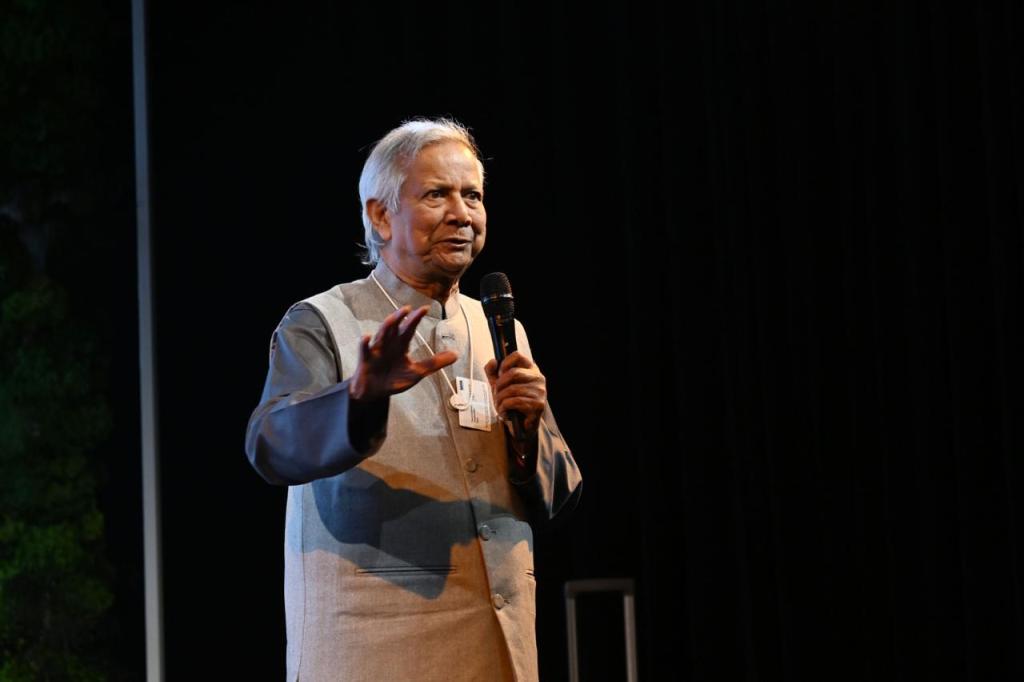
The alleged evidence of sudden and inexplicable wealth among Muhammad Yunus’s inner circle is becoming uncomfortable questions for his 6 months old interim government. Yunus, the Nobel laureate who rose to power in August 2024 on a platform of integrity and transparency, now finds his administration at the center of a financial scandal that could unravel its legitimacy.
The Asia Post has obtained screenshots from Binance, the world’s largest cryptocurrency exchange, revealing staggering balances held by key figures tied to the July 2024 uprising that ousted Sheikh Hasina. Ironically, in just six months, Yunus’s inner circle has allegedly accumulated wealth rivaling the plunder of past regimes—all while Bangladesh teeters on the edge of collapse.
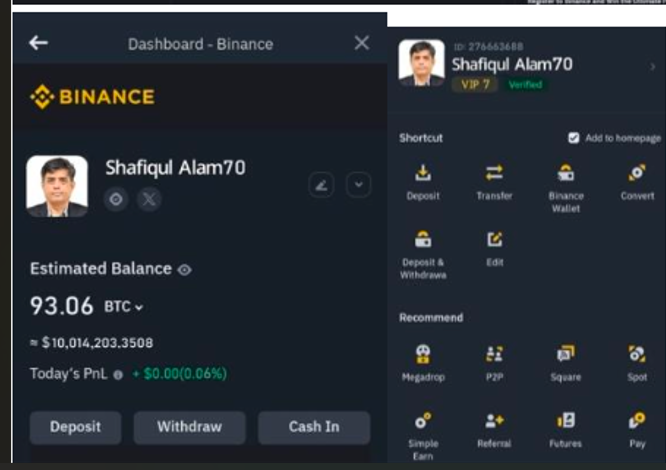
The Press Secretary to Chief Adviser Yunus, Shafiqul Alam allegedly holds 93.06 BTC, equivalent to $10 million USD or 100 crore Bangladesh Taka (BDT). For a press aide to accrue such wealth in six and a half months defies logic.
Nahid Islam, a former student leader turned adviser to the Telecommunications and Information Technology Ministry until his resignation on February 25, 2025, boasts a Binance balance of 204.64 BTC—over $19 million USD (220 crore BDT). This fortune stands in stark contrast to the poverty strangling the nation he once claimed to represent.

Then there’s Asif Mahmud Sajib Bhuiyan, another student activist turned minister in Yunus government who holds Local Government, Rural Development, and Co-operatives (LGRD) Ministry—a portfolio long notorious for corruption. His Binance account shows 113 BTC, or $12 million USD. The decision to place an inexperienced young figure in such a powerful post reeks of favoritism, raising questions about Yunus’s judgment and the integrity of his administration.

Equally troubling are Sarjis Alam and Khan Talat Mahmud Rafy, uprising figures with no official government roles yet granted full military protocols and state privileges. Alam has reportedly amassed $7.76 million USD, while Rafy holds 11.09 BTC (over $1 million USD). Neither has a visible source of income, yet they enjoy protections and perks typically reserved for top officials.

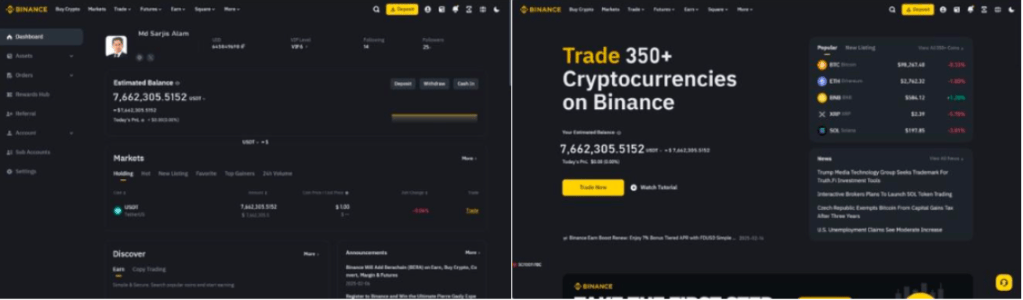
Binance, which serves millions across 180 countries and trades over 350 cryptocurrencies, including Bitcoin, has unwittingly become the stage for this unfolding drama. The platform’s transparency—its account balances verifiable through blockchain technology—makes these screenshots difficult to dismiss. How did these individuals, many with modest backgrounds, amass such wealth so quickly?
The irony is stark. Yunus built his global reputation on uplifting the poor, yet his government stands accused of enriching its elite while the citizens struggle to make their ends meet. Critics argue this scandal exposes a deeper rot. Yunus’s administration, lacking an electoral mandate, relies on moral authority to govern. That authority is now in tatters. The presence of untested student leaders in high office, coupled with the unexplained privileges for figures like Alam and Rafy, suggests a government more focused on consolidating power than delivering results. Economic promises—stabilizing markets, creating jobs—have fallen flat, replaced by allegations of financial misconduct.