
Russian President Vladimir Putin will travel to China from August 31 to September 3 on a four-day visit at the invitation of Chinese President Xi Jinping. The trip comes at a critical moment for regional geopolitics and global power dynamics, combining participation in the Shanghai Cooperation Organisation (SCO) Summit, high-level bilateral talks, and attendance at a grand military parade marking the 80th anniversary of the victory over Japan and the end of World War II in Asia.

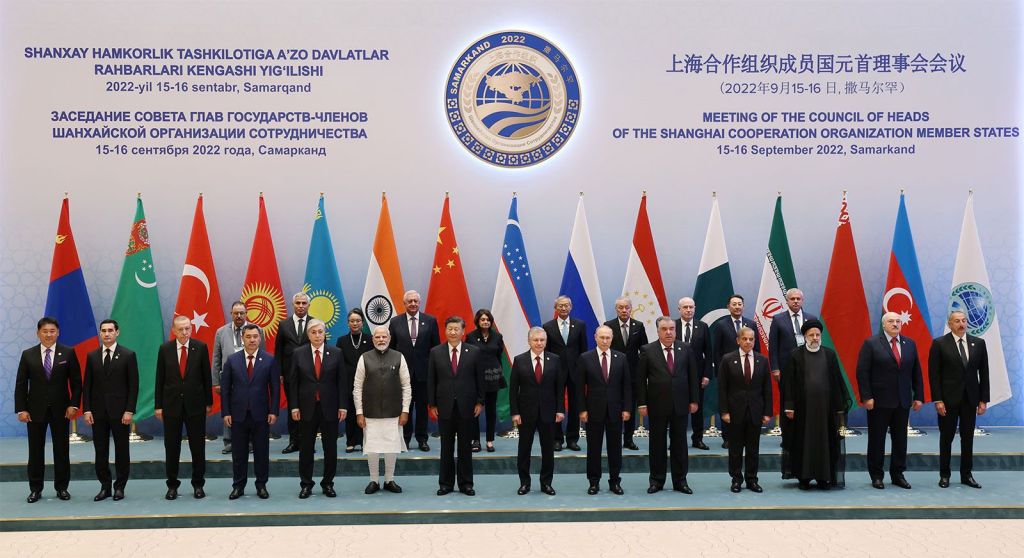
The visit begins in Tianjin, where Putin will attend the 25th Heads of State Summit of the SCO on August 31 and September 1. The meeting brings together leaders of member states including China, Russia, India, Pakistan, Kazakhstan, Kyrgyzstan, Tajikistan and Uzbekistan. Observer states, dialogue partners, and international organizations invited by the Chinese government will also participate, making this one of the largest gatherings in the SCO’s history. Discussions are expected to focus on the current state and future prospects of cooperation within the bloc, as well as pressing international and regional issues, ranging from counterterrorism to economic integration.
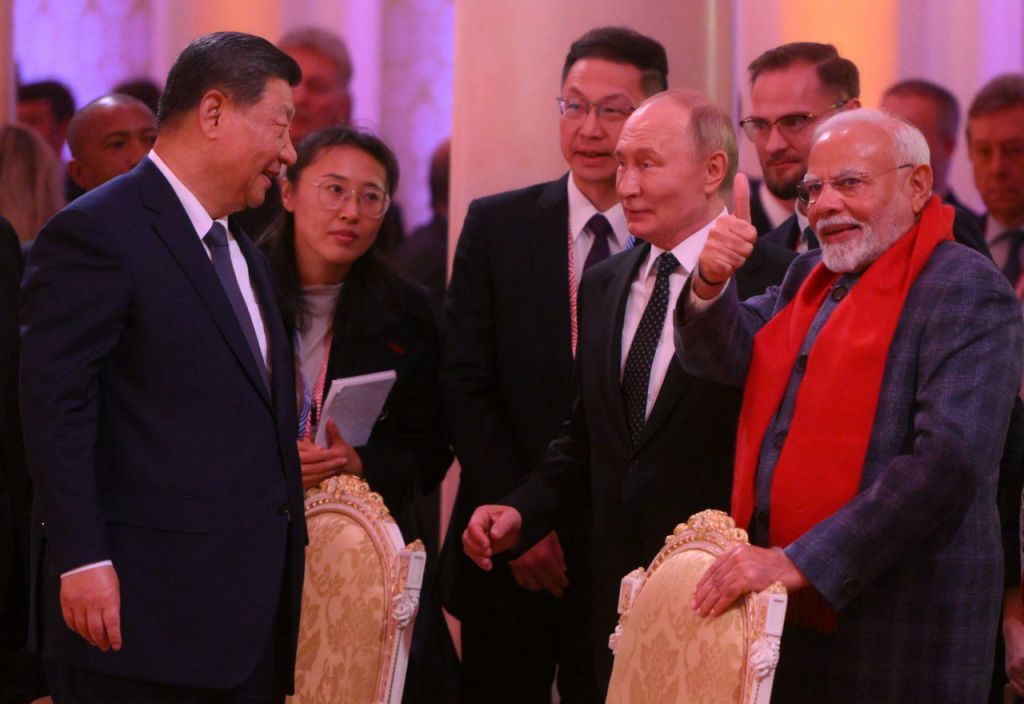
An expanded session in the SCO Plus format will take place on September 1, with leaders of observer countries, dialogue partners and invited nations joining the core members. Among the key participants are Indian Prime Minister Narendra Modi, Iranian President Masoud Pezeshkian, Turkish President Recep Tayyip Erdoğan and several Central Asian leaders. The meeting comes at a time when the SCO is positioning itself as a significant platform for Eurasian cooperation, particularly amid growing divisions in the international system and increasing tensions between Western powers and non-Western blocs.
On the sidelines of the summit, Putin is expected to hold several bilateral meetings with regional leaders. A meeting with Prime Minister Modi is planned to discuss trade, energy cooperation and developments in the Indo-Pacific. Russian and Chinese officials have also hinted that agreements in the energy sector may be signed during the visit, particularly involving Russian gas exports to China, reflecting Moscow’s growing reliance on Beijing as a strategic partner amid Western sanctions and limited access to global financial markets.
After the conclusion of the summit, Putin will travel to Beijing on September 2 for a day of intensive diplomatic engagements. The highlight will be his talks with Xi Jinping, where both leaders are expected to discuss ways to further strengthen their comprehensive strategic partnership. Areas of focus will include expanding bilateral trade, developing energy and infrastructure projects, enhancing coordination in defense technologies, and deepening cooperation in multilateral forums such as the SCO, BRICS+ and the United Nations. The meeting will also provide an opportunity for Moscow and Beijing to align their positions on sensitive regional security issues, including the situation in the Taiwan Strait, the Korean Peninsula and Central Asia.
Putin, Xi and Mongolian President Ukhnaagiin Khurelsukh will also participate in a trilateral summit on the same day to review cross-border projects and energy connectivity in Northeast Asia. Other bilateral discussions involving Putin, Erdoğan and Pezeshkian are also planned, underscoring Russia’s intent to strengthen ties with countries in Asia, the Middle East and beyond as part of its broader strategy to diversify alliances in response to geopolitical isolation from the West.
The visit will culminate on September 3 in Beijing, where President Putin will attend a large-scale Victory Day parade in Tiananmen Square as the guest of honor. The event marks the 80th anniversary of Japan’s surrender in 1945, which brought an end to World War II in Asia. Chinese President Xi Jinping will preside over the commemorations, which will include a military parade showcasing the country’s latest defense capabilities, including new-generation fighter aircraft, missile defense systems, armored vehicles and unmanned technologies. Tens of thousands of Chinese troops are expected to participate in the ceremony.
The presence of Russian, Chinese and North Korean leaders at the parade underscores shifting strategic alignments in the region. North Korean leader Kim Jong-un is also expected to be seated alongside Xi and Putin during the commemorations, highlighting growing security coordination between the three countries. Analysts see the event not only as a remembrance of shared wartime sacrifices but also as a symbolic demonstration of unity among nations seeking to challenge U.S. influence in the Asia-Pacific and broader Indo-Pacific region.
The historical backdrop to the commemoration is significant for both Russia and China. For China, the anniversary also carries deep historical meaning. Between 1937 and 1945, Japan’s invasion and occupation of Chinese territory resulted in widespread devastation and millions of deaths. Events such as the Nanjing Massacre of 1937, where hundreds of thousands of civilians were killed, and Japan’s use of forced labor and biological warfare experiments during the occupation remain central to China’s collective memory
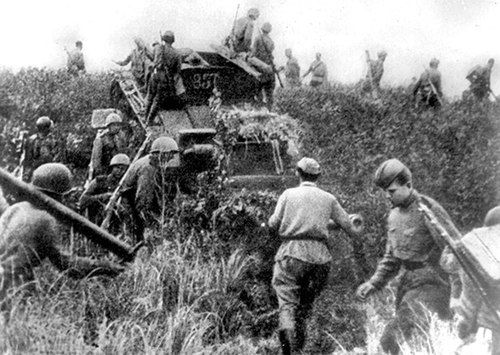
The Soviet Union played a decisive role in defeating Japan during the final phase of World War II. At the Tehran Conference in 1943 and the Yalta Conference in 1945, Soviet leader Joseph Stalin agreed with U.S. President Franklin D. Roosevelt and British Prime Minister Winston Churchill to join the war against Japan following Germany’s surrender. True to this commitment, the Red Army launched a massive offensive against Japan’s Kwantung Army in Manchuria on August 9, 1945, just days after the United States dropped atomic bombs on Hiroshima and Nagasaki.
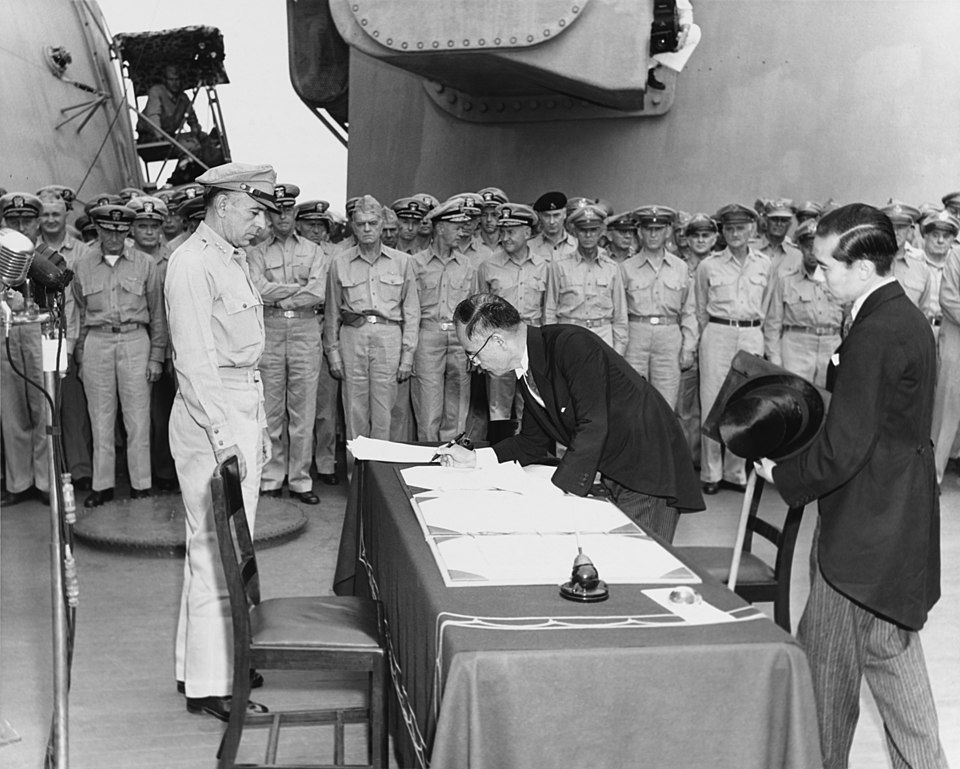

The Soviet offensive, known as the Manchurian Strategic Operation, resulted in the rapid defeat of Japanese forces in just 11 days. Soviet troops liberated Manchuria, southern Sakhalin, the Kuril Islands and parts of Korea, fundamentally altering the balance of power in Northeast Asia. On September 2, 1945, aboard the USS Missouri, representatives of Japan signed the Instrument of Surrender, formally ending the war. For both Moscow and Beijing, this episode remains a defining moment of military cooperation and shared sacrifice, which they continue to highlight in joint commemorations.
The parade on September 3 is designed not only to honor the sacrifices made during the Second World War but also to reinforce national resilience and sovereignty while reminding the world of the human cost of foreign aggression.
Putin’s participation in the ceremony further underscores the growing alignment between Moscow and Beijing at a time when both countries are facing heightened tensions with the United States and its allies. Russia has sought to deepen its energy and defense partnerships with China while expanding its influence in Asia as it adapts to sanctions and economic restrictions from the West. For China, closer ties with Russia provide leverage in counterbalancing U.S. influence in the Indo-Pacific and strengthening regional platforms like the SCO, which China uses to promote its leadership in shaping Eurasian security and economic frameworks.
The convergence of these events — the SCO Summit, bilateral negotiations and the Victory Day commemorations throws an opportunity to both Russia and China to present a united front on global issues and strengthen their partnership across multiple domains in a fast changing geopolitical landscape.
As Russia and China deepen their cooperation, their actions are likely to shape new dynamics in Asia and accelerate the emergence of alternative structures to Western-led institutions. The outcomes of the SCO Summit, the results of bilateral talks and the symbolism of the Victory Day parade are expected to resonate well beyond the region, influencing future discussions on security, trade and global governance.