

The once-thriving “blue economy” is being drained, and time is running out to reverse the damage. With an annual economic value estimated at US $2.5 trillion, the ‘blue economy’ is equivalent to the world’s 7th largest economy.

Geneva, March 3, 2025 – The world’s oceans, a $ 2 trillion plus economic engine and a crucial lifeline for hundreds of millions of people globally, are on the verge of collapse, United Nations economists warned at the 5th UN Ocean Forum. The experts from the UN Trade and Development (UNCTAD) warned that overfishing has depleted a third of global fish stocks already. Additionally, 10 million tons of plastic suffocate marine life annually, and climate change could cut seafood catches by 40% in tropical regions by 2050.
“The amount of exports of ocean goods and services reached $2.2 trillion in 2023, so it’s growing very fast,” said David Vivas, UNCTAD Chief for Trade, Environment and the Sustainable Development Branch, on the sidelines of the 5th UN Ocean Forum in Geneva. Behind this growth is growing South-South trade, where fresh fish exports have increased by 43 per cent; processed fish exports have risen by a staggering 89 per cent from 2021 to 2023.

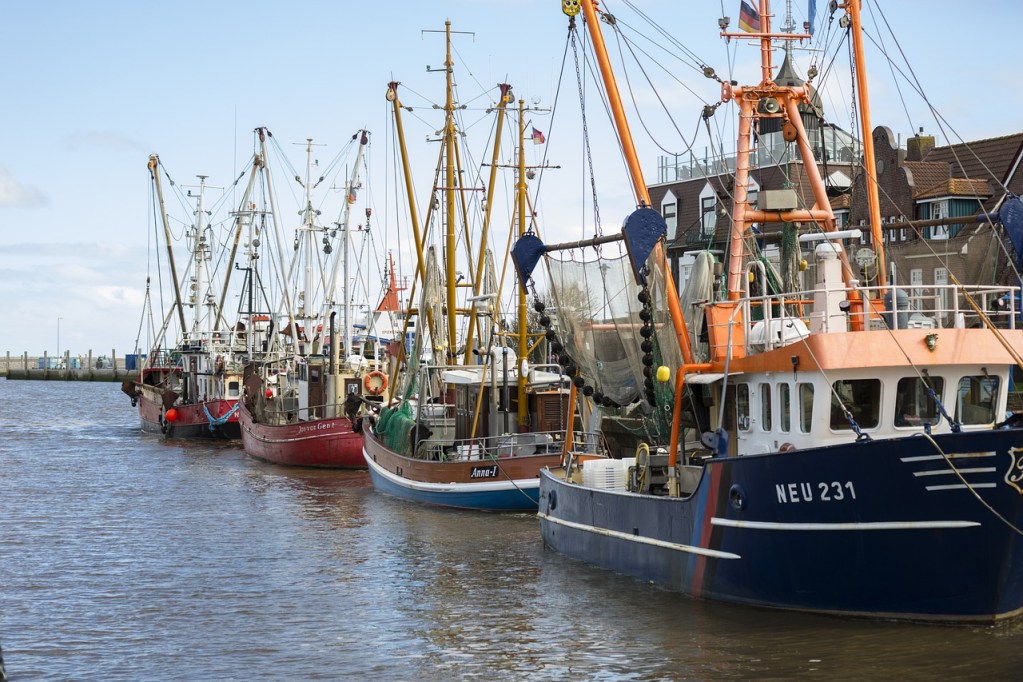
The statistics are alarming. According to the UN agency, the world’s ocean economies have grown 250 per cent since 1995, far outpacing the global economy, which grew by 190 per cent over the same period. More than 600 million people—many in vulnerable coastal communities and small island nations—depend on the ocean for their survival. Yet, 34% of fish stocks are overexploited, a threefold increase in just five decades. Illegal fishing alone generates $36.4 billion a year for criminals, while industrial trawlers destroy coral reefs that not only capture carbon but also support the livelihoods of 200 million people. At the same time, the ocean, which absorbs 93% of humanity’s excess heat and 9.5 billion tons of CO2 annually, is warming and acidifying at an unprecedented rate. Once-thriving marine ecosystems are turning into lifeless wastelands—over 245,000 square kilometers of them worldwide.
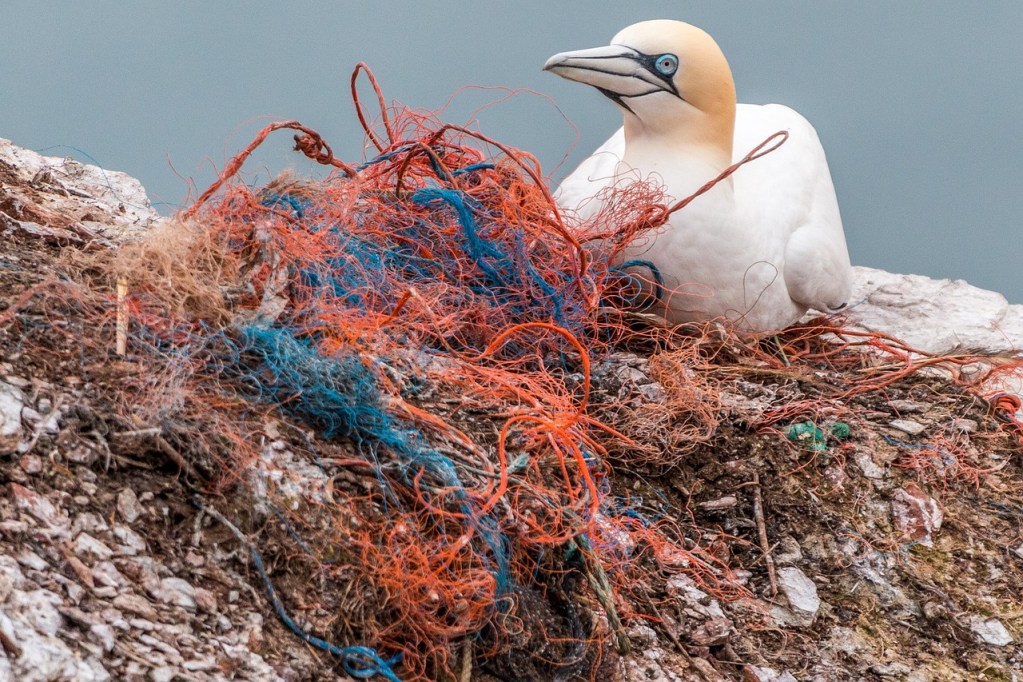
Pollution is only making things worse. A staggering 85% of marine debris consists of plastic, with microplastics now contaminating the seafood people consume. Runoff from fertilizers and pharmaceuticals has created oxygen-depleted dead zones, while abandoned fishing gear continues to ensnare marine life in a silent slaughter. And while most national climate plans do not take into account the ocean economy, UNCTAD’s Vivas underscored its importance in achieving the goals of the Paris Climate Agreement as an estimated 11 per cent of all emissions worldwide are caused by ocean-based activities.
The forum, held at the Palais des Nations, buzzed with concern as experts laid out the consequences: coral reefs, valued at $36 billion for tourism and fisheries, could disappear by 2050. Meanwhile, tropical nations face an impending food crisis as fish migrate to cooler waters. Even northern fisheries, which might see temporary gains, won’t be able to compensate for the cascading losses elsewhere.
Yet, a glimmer of hope remains: restoring fish stocks could enhance the ocean’s ability to capture carbon and strengthen global food security. But with marine heatwaves increasing by 50% over the past 30 years and plastic waste causing up to $2.5 trillion in ecological damage annually, the window for action is closing fast.